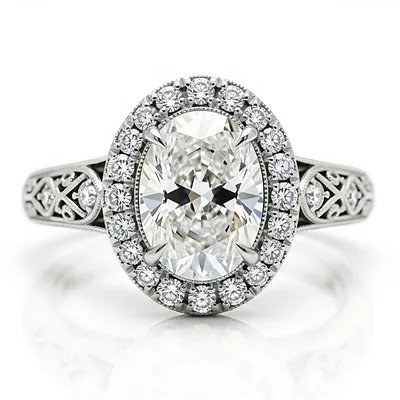
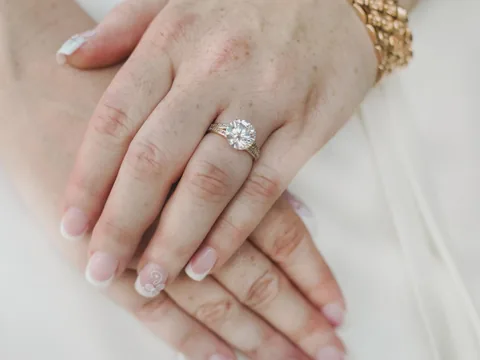
The oval reads larger than a round of the same weight and flatters the hand. Here is how to pick a good one, and the settings we pair it with.
Starting prices. Your final price depends on the diamond you choose.
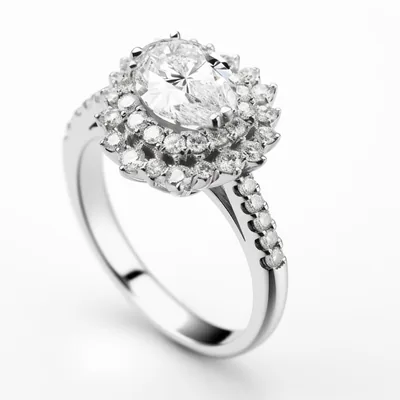
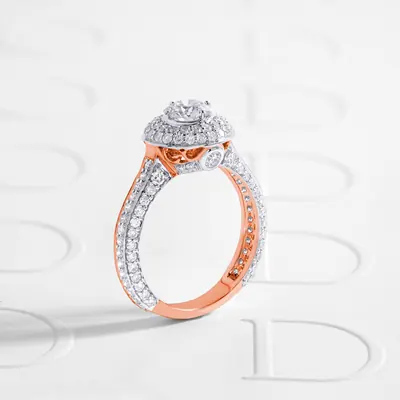
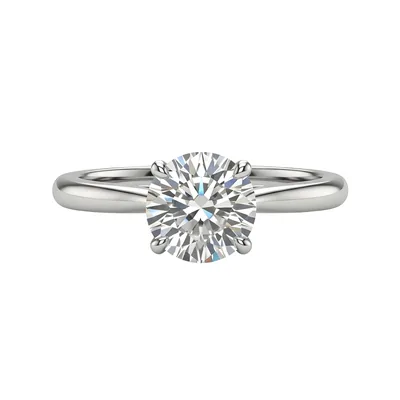
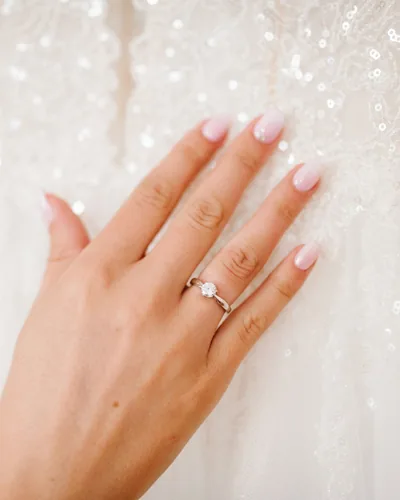 Made with a oval center
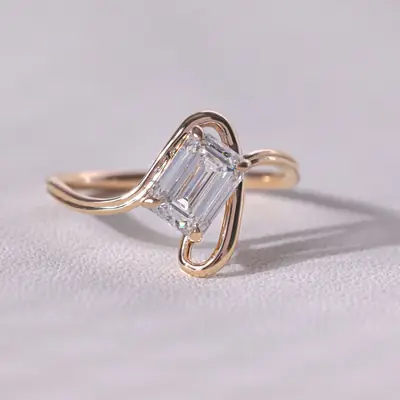 Made with a oval center
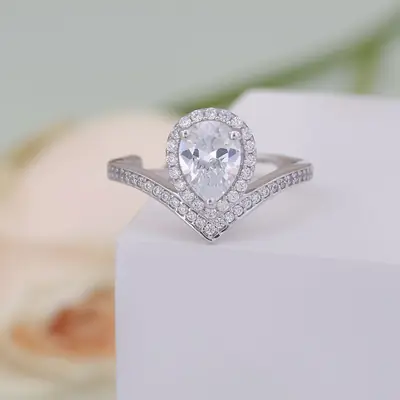 Made with a oval center
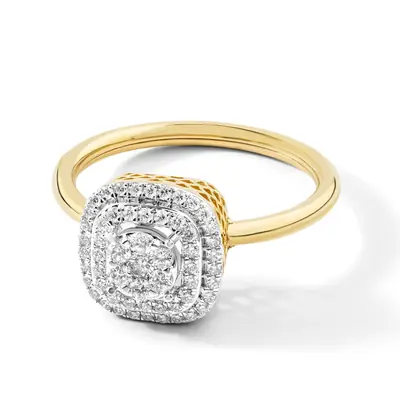 Made with a oval center
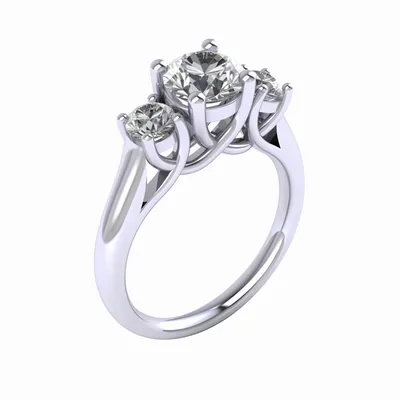 Made with a oval center
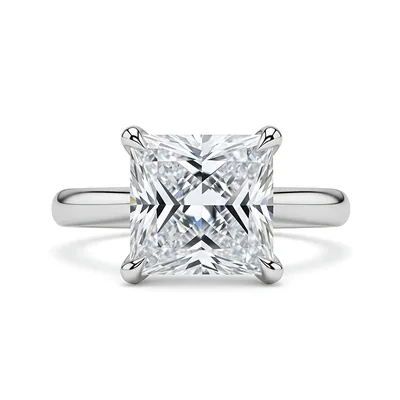
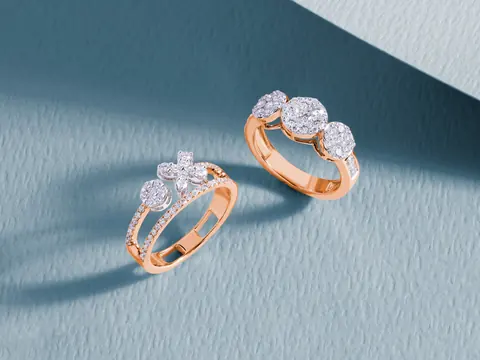 Made with a oval center
Saved pieces wait for you on a tray in Suite 805. Viewings take about 45 minutes, by appointment.
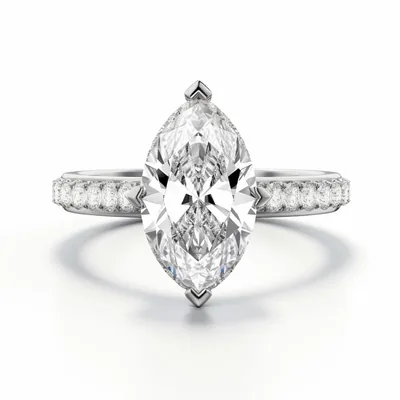
 Made with a oval center
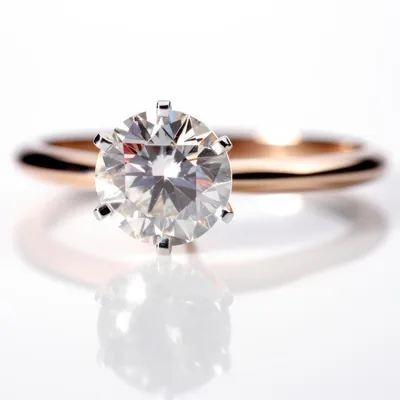
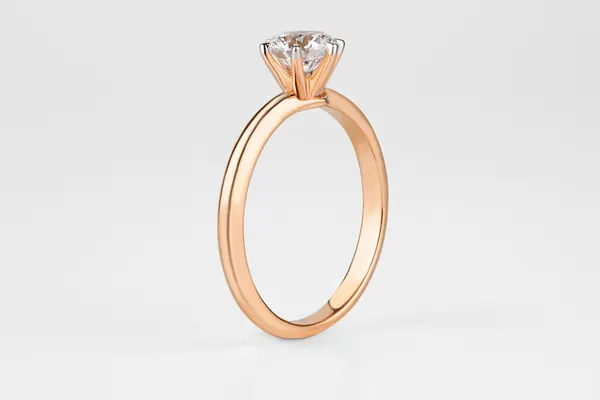 Made with a oval center
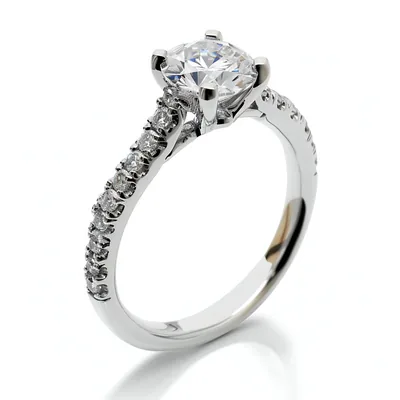 Made with a oval center
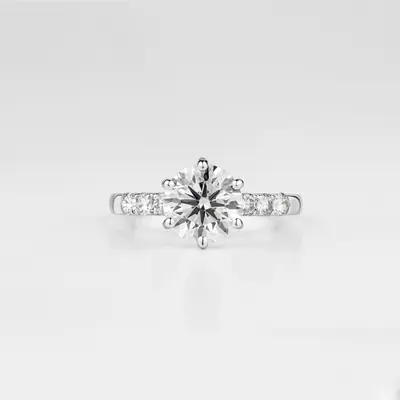 Made with a oval center
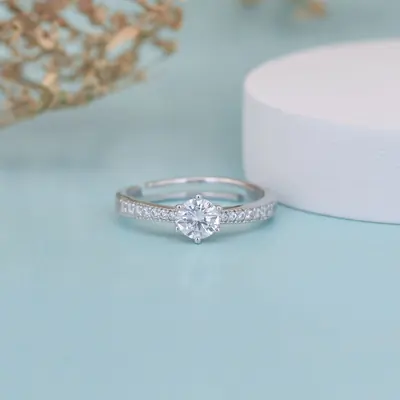 Made with a oval center
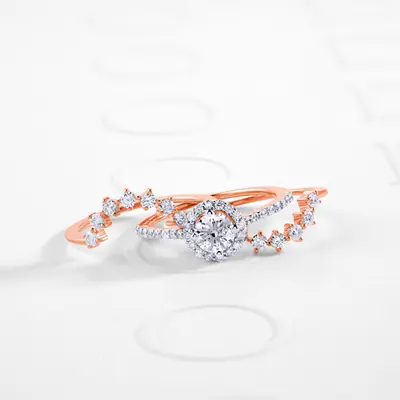 Made with a oval center
No pieces match these filters. Clear the filters, or tell us what you have in mind and we will make it.
An oval is a brilliant cut stretched into an egg shape. It has the same kind of sparkle as a round, but more of it faces up, so it looks bigger for its weight. A 1.5 carat oval often looks close to a 2 carat round from above. That spread is a big part of why people choose it.
Three things decide whether an oval looks lovely or just fine.
Divide the length by the width. Most ovals fall between 1.30 and 1.50. Around 1.35 to 1.45 is the classic look. Closer to 1.30 feels fuller and rounder. Above 1.50 gets long and slim, which some people love on a longer finger. There is no correct number. Try two or three ratios on your hand and you will know quickly.
Almost every oval shows a darker band across its middle, shaped like a bow tie. It comes from light leaking out where the facets meet. A faint bow tie that shifts as you move the stone is normal. A heavy, dark one that stays put is a sign of a weaker cut. A grading report does not grade the bow tie, so this is something you can only judge by eye. It is the main reason we prefer you see ovals in person.
Look at the curve of the shoulders. Both sides should match, with no flat spots or pinched ends. Check the report for polish and symmetry grades of excellent or very good, then trust your eye on the outline.
Ovals hold color a little more at the ends than a round does. If you are setting in white gold or platinum, a color of G or better keeps the ends looking bright. In yellow or rose gold you can go a grade or two lower, because the warm metal blends with any tint. For clarity, the brilliant faceting hides small inclusions well. VS2 or a clean SI1 is usually eye clean, which means you see nothing without magnification.
Every setting on this page can be made with an oval center, and the grid shows a few in other shapes as well. Ovals look natural in:
Most ovals are set north to south, running along the finger. Turned east to west, an oval feels modern and a little unexpected. Ask to see both on your hand.
When you visit, we lay out ovals with different ratios side by side. Tip each one slowly under the light and watch the bow tie. Then put them on your finger and look from arm's length, the way other people will see your ring. Pick the one that looks alive to you, not the one with the best numbers on paper.
For more on how ovals compare with other shapes, read our lab diamond shapes guide. If you already have a size and budget in mind, send it through the loose diamond request and we will pull ovals to match. When you are ready, book a viewing at 30 West 47th St, Suite 805, or call (732) 581-7932.
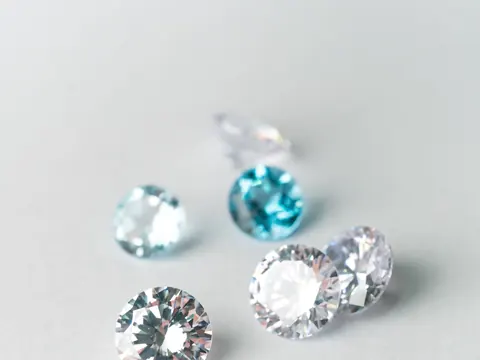
Viewings by appointment at 30 West 47th St, Suite 805. Saved pieces and requested stones wait on a tray for you.
Book a viewing (732) 581-7932No. An oval has no sharp points, so it is as durable as a round. Keeping the prongs in good shape is what protects any diamond.
No. Grading reports do not cover the bow tie. You judge it by eye, which is why we show ovals in person.
Often yes, depending on how low the center sits. Bring your band idea to the viewing and we will check the fit, or plan a curved band.
We set these aside on a tray for your viewing in Suite 805.