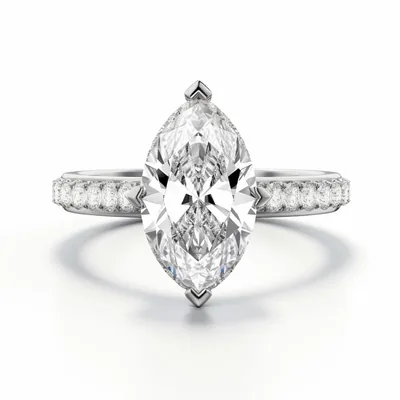
A pointed, elongated shape with a vintage feel and a lot of spread for its weight. Symmetry and prong placement matter more here than on any other cut.
Starting prices. Your final price depends on the diamond you choose.
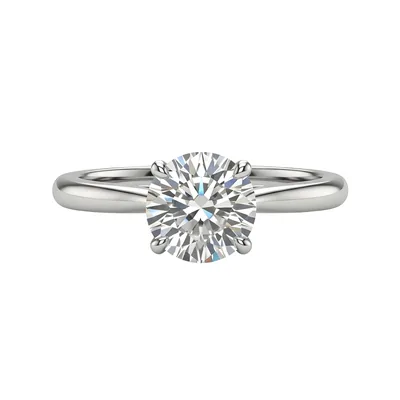
 Made with a marquise center
 Made with a marquise center
 Made with a marquise center
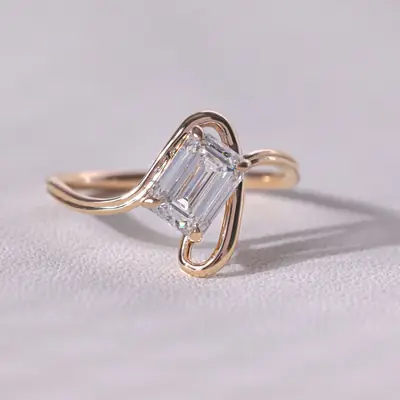 Made with a marquise center
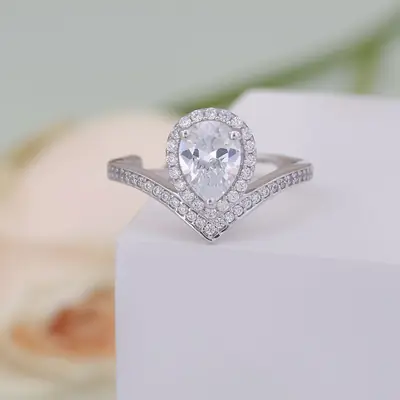 Made with a marquise center
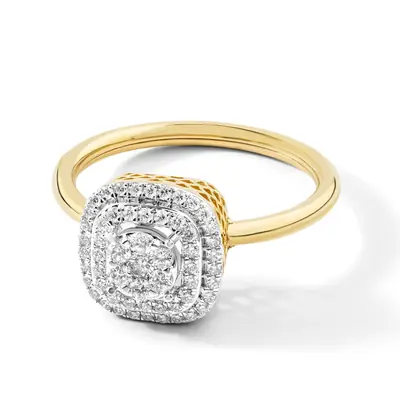 Made with a marquise center
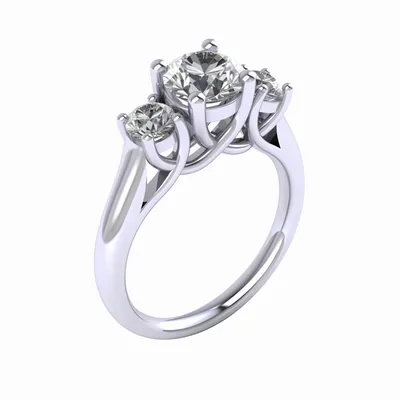 Made with a marquise center
Saved pieces wait for you on a tray in Suite 805. Viewings take about 45 minutes, by appointment.
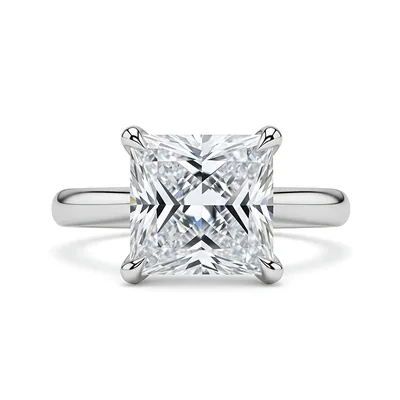
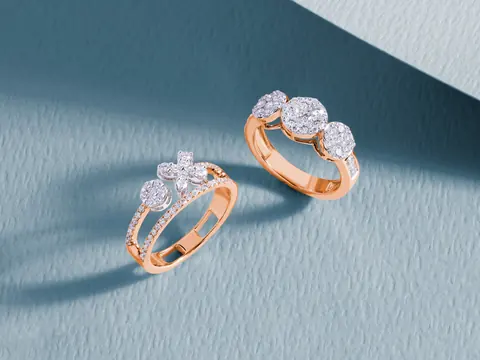 Made with a marquise center
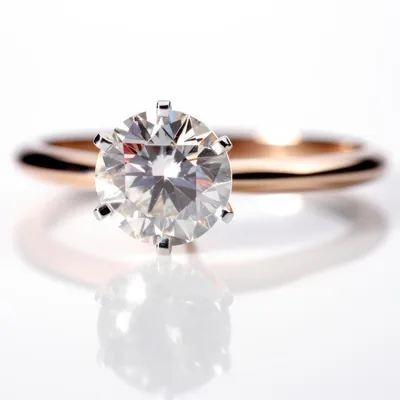
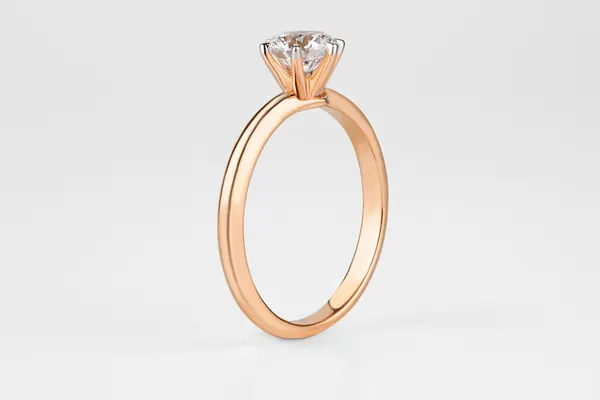 Made with a marquise center
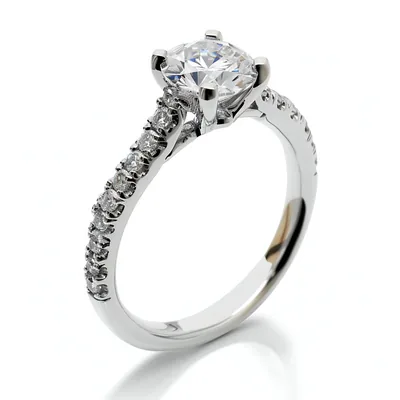 Made with a marquise center
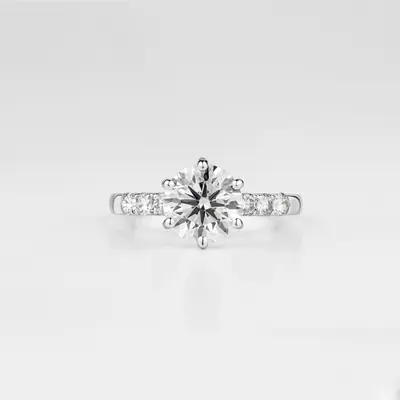 Made with a marquise center
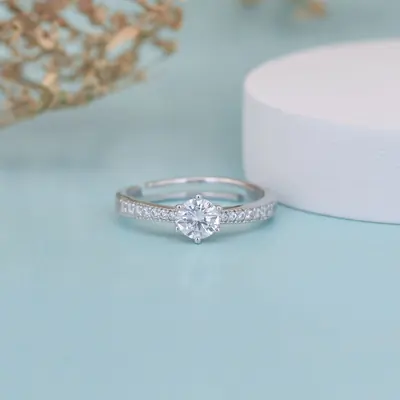 Made with a marquise center
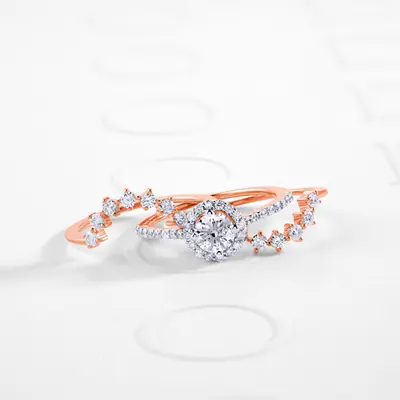 Made with a marquise center
No pieces match these filters. Clear the filters, or tell us what you have in mind and we will make it.
The marquise is long and narrow with a point at each end, a little like a boat seen from above. It has one of the largest faces of any shape for its weight. A 1 carat marquise can look as long as a much heavier round. On the hand it draws the eye along the finger and makes the fingers look slimmer. It also has a vintage feel that has come back into fashion, especially in slim gold settings.
With a marquise, small differences are easy to see. Imagine a line down the middle, point to point. Both halves should mirror each other. Then draw a line across the widest part. The two points should line up with each other and with the center. A stone with one shoulder fuller than the other, or tips that drift off line, will always look a little lopsided. Ask for a report with excellent or very good symmetry, and then check it by eye.
Most marquise diamonds sit between 1.75 and 2.25. Around 2.00 is the traditional shape. A lower ratio looks wider and softer. A higher one is very slim and dramatic. There is a lot of personal taste here, so try a couple.
Like ovals and pears, marquise diamonds show a darker band across the middle. Some contrast is normal and gives the stone depth. Look for a bow tie that moves and lightens as you tilt the stone, rather than a fixed dark patch.
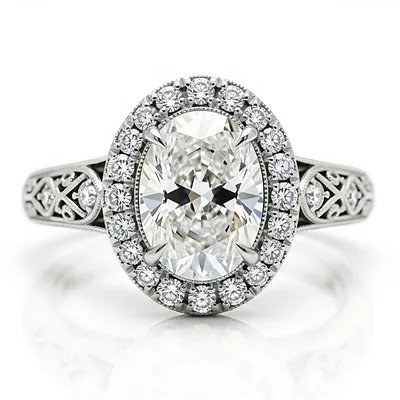
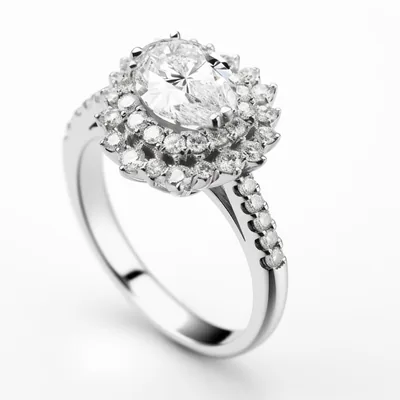
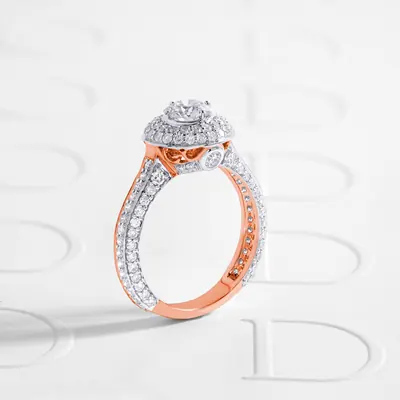
The two points are the most delicate part of a marquise. Each one should sit inside a V prong, a small metal cradle that covers the tip. Never wear a marquise held only by simple claws at the points. Six prong settings, with a V at each end and two prongs at the sides, are the most common and secure choice. Every setting we show here can be made with a marquise center, and we fit V prongs as standard.
Color can gather at the points. In white gold or platinum, G or H keeps the ends bright. Yellow and rose gold are kind to warmer stones, so you can choose a lower color there and spend the difference on size. Brilliant faceting hides small inclusions, and VS2 or SI1 is often eye clean. Do check that nothing sits near a tip, where it could weaken the point.
Marquise diamonds also make a striking pair in a toi et moi ring.
We will put a few marquise stones on the tray with different ratios. Look at each one straight on, then hold it in a setting on your finger. Check the symmetry first, the bow tie second, and then go with the one you keep reaching for.
See how the marquise compares with other shapes in our shapes guide. Send us your size and budget on the loose diamond request page, then book a viewing at 30 West 47th St, Suite 805, or call (732) 581-7932.
Viewings by appointment at 30 West 47th St, Suite 805. Saved pieces and requested stones wait on a tray for you.
Book a viewing (732) 581-7932The diamond itself is very hard, but the two points can chip from a sharp knock. V prongs over the tips protect them in everyday wear.
It depends on how low the stone sits. Many people choose a curved or notched band to sit close to a marquise. We can show you both.
Usually yes. Its long outline spreads the weight over more length, so it tends to look larger from above.
We set these aside on a tray for your viewing in Suite 805.