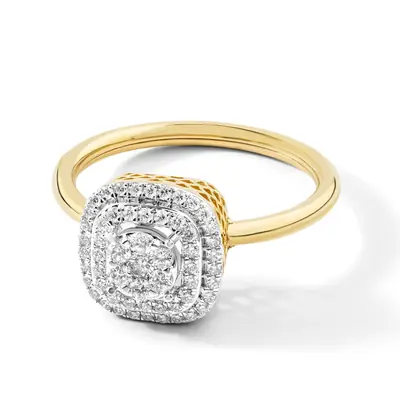
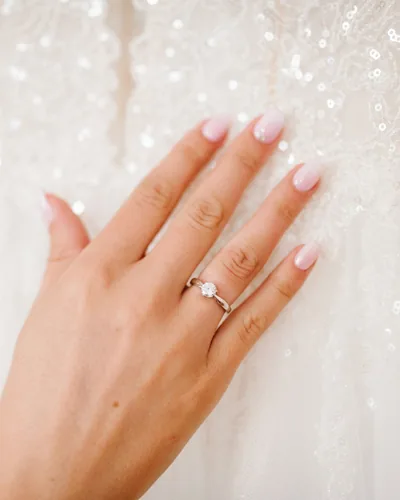
Soft corners, a pillowy outline and big, slow flashes of light. Cushions come square or elongated, with two very different faceting styles.
Starting prices. Your final price depends on the diamond you choose.
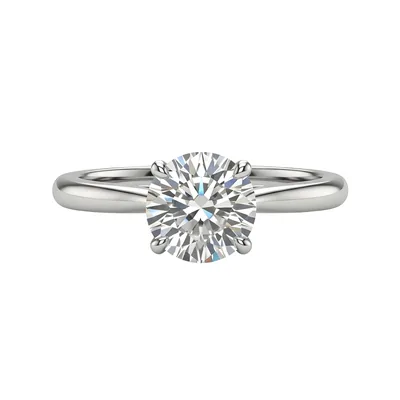 Made with a cushion center
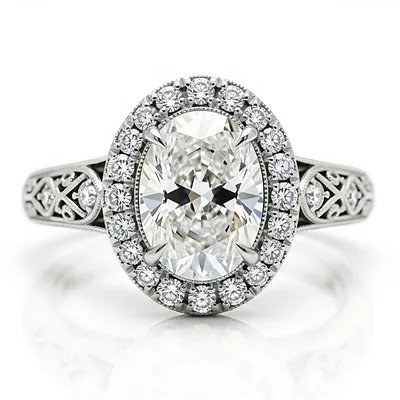
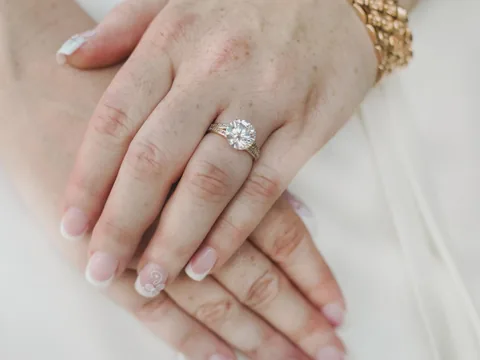 Made with a cushion center
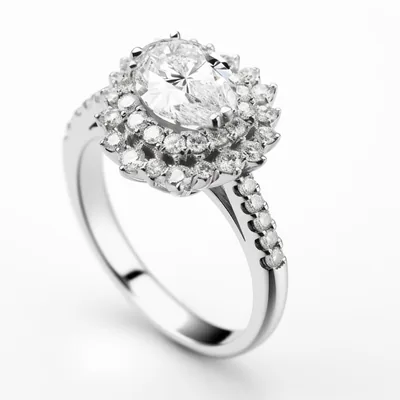
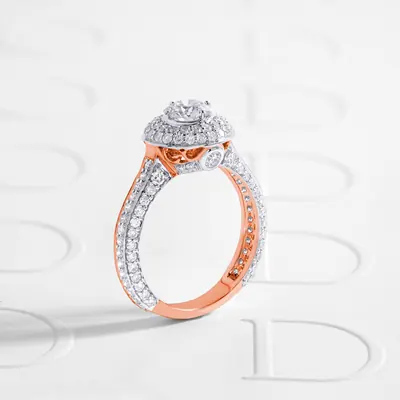 Made with a cushion center
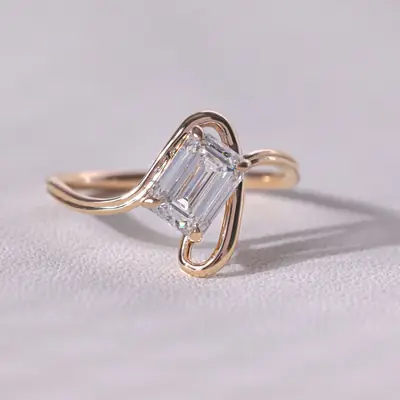 Made with a cushion center
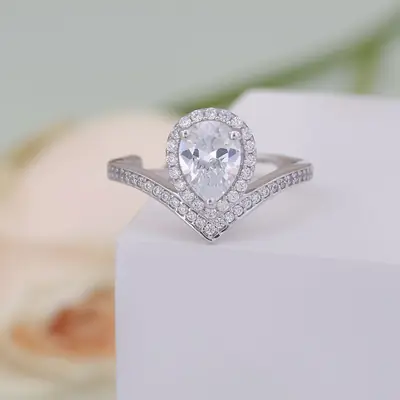 Made with a cushion center
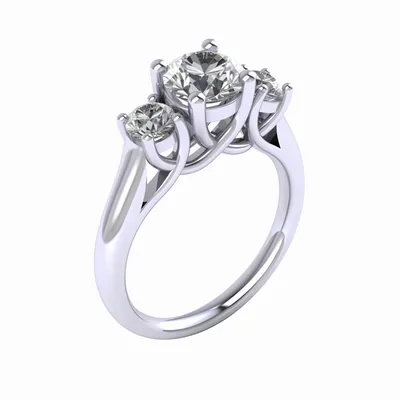 Made with a cushion center
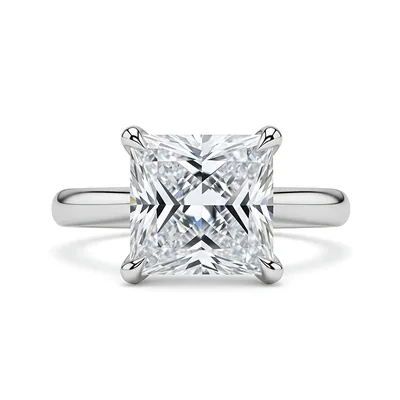
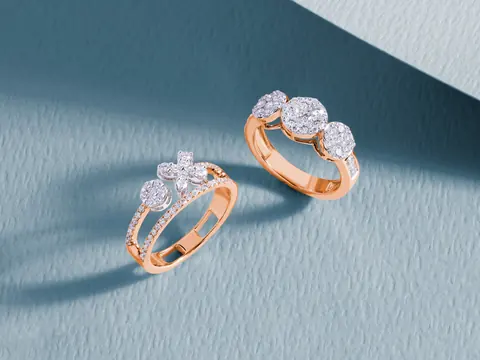 Made with a cushion center
Saved pieces wait for you on a tray in Suite 805. Viewings take about 45 minutes, by appointment.
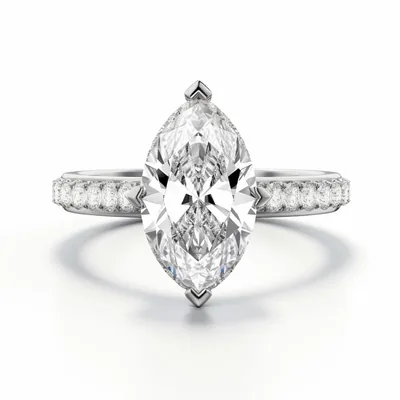
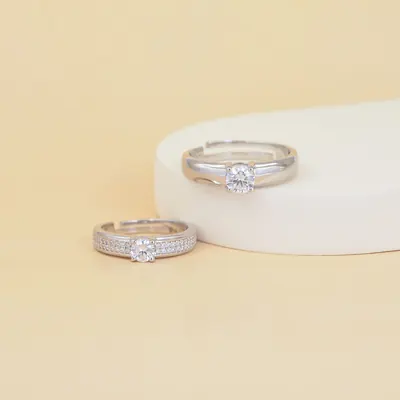 Made with a cushion center
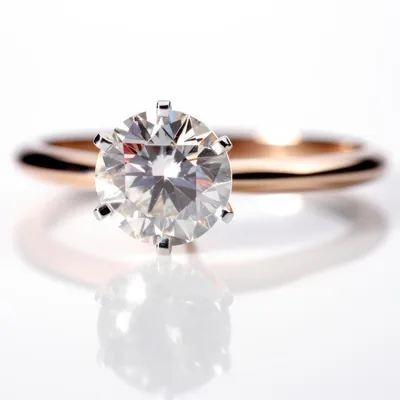
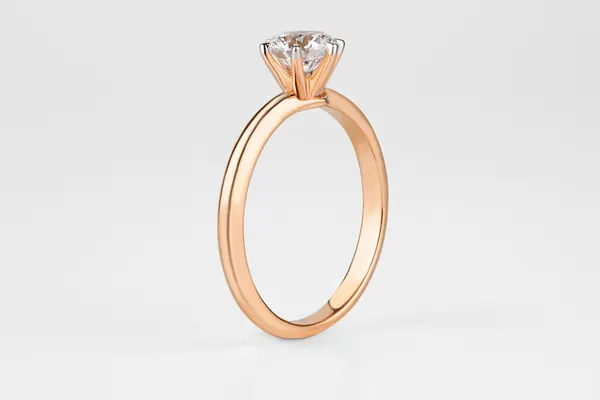 Made with a cushion center
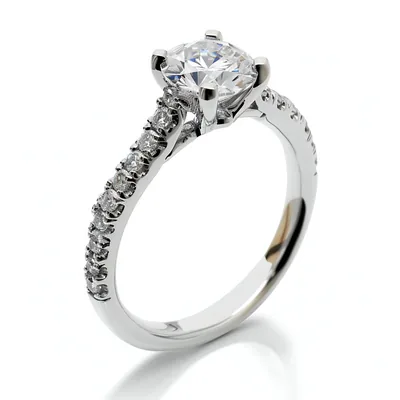 Made with a cushion center
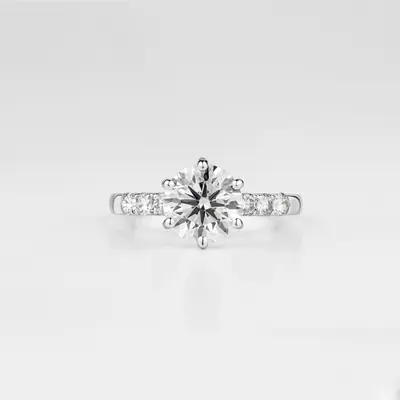 Made with a cushion center
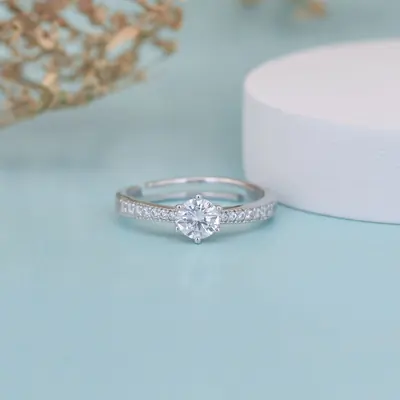 Made with a cushion center
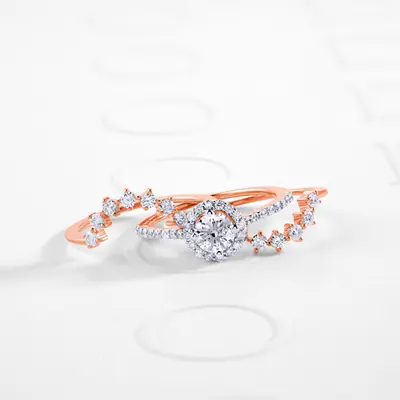 Made with a cushion center
No pieces match these filters. Clear the filters, or tell us what you have in mind and we will make it.
A cushion cut is a square or rectangle with rounded corners and gently curved sides, like a pillow. It is one of the oldest diamond shapes, and it still feels romantic and a little vintage. Its larger facets give broad, slow flashes of light and strong colorful fire, especially under candlelight or warm room light.
Not every cushion sparkles the same way. It helps to know the two main faceting styles before your viewing.
The shape name on a report rarely tells you which style you are getting. You see it by looking at the stone, which is one reason we lay several out for you.
A square cushion has a ratio from 1.00 to about 1.05. Elongated cushions run from around 1.15 to 1.35 and look more like a soft rectangle. Elongated cushions have become very popular for engagement rings. They look bigger from above and slim the finger, while keeping the soft outline. Square cushions feel classic and suit a halo especially well.
Cushions are often cut deep, which can hide weight below the girdle. Compare the measurements across the top, not only the carats. Two 1.5 carat cushions can look surprisingly different in size.
The curves should be even on all four sides, with no corner noticeably squarer than the others. A good outline looks balanced even from across a table.
Tilt the stone slowly. Some cushions show a dark area in the middle, especially in very deep stones. A good cushion stays bright as it moves.
Cushions show body color a little more than rounds. In white gold or platinum, F to H is a good range. In yellow gold, warmer colors look rich and intended. Crushed ice cushions hide inclusions well, so SI1 can work. Chunky cushions show more, so aim for VS2 or better and check by eye.
Every setting on this page can be made with a cushion center. Our favorite matches:
Ask to see a crushed ice cushion and a chunky one side by side. Most people have an instant preference. Then try a square and an elongated outline on your hand.
The shapes guide compares cushions with radiants and ovals, and the 4Cs guide explains the grades. Send your wish list on the loose diamond request page, then book a viewing at 30 West 47th St, Suite 805, or call (732) 581-7932.
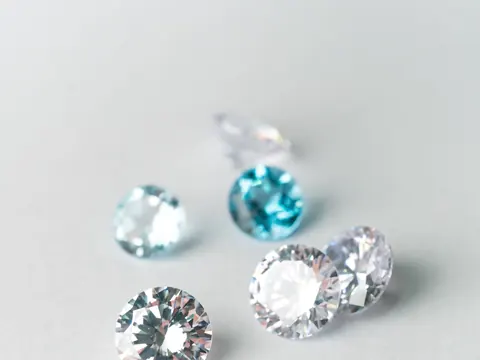
Viewings by appointment at 30 West 47th St, Suite 805. Saved pieces and requested stones wait on a tray for you.
Book a viewing (732) 581-7932Yes. Its rounded corners have no sharp points, so it is one of the more durable shapes to wear every day.
Some do, because cushions are often cut deep. Comparing the top measurements helps you find one that faces up large for its weight.
It describes extra facets added below the girdle, which often gives the crushed ice look, though not always. Seeing the stone is the only sure way to tell.
We set these aside on a tray for your viewing in Suite 805.