What a lab grown diamond needs, and what it does not
A lab grown diamond is pure crystallized carbon, the same material as a mined diamond. It scores 10 on the Mohs hardness scale, so everyday life will not scratch it. It will not cloud, fade or change color over time. That part looks after itself.
What needs care is everything around the stone. Gold and platinum scratch and wear. Prongs bend. Clasps loosen. And diamonds attract grease, so lotion and soap build up behind the stone and dull its sparkle. A dull diamond is almost always a dirty diamond, not a damaged one.
Cleaning at home
The simple weekly clean
- Fill a small bowl with warm water and a few drops of mild dish soap.
- Soak the piece for 20 to 30 minutes to loosen oil and lotion.
- Brush gently with a soft toothbrush, paying attention to the underside of the stone and the gaps between prongs. That is where the film builds up.
- Rinse under warm running water. Close the sink drain first, or rinse over a bowl.
- Pat dry with a lint free cloth. Avoid paper towels, which can leave fibers caught in prongs.
For a ring worn every day, once a week keeps it bright. Studs and pendants need it less often.
What to avoid
- Chlorine bleach and pool water. Chlorine can weaken gold alloys over time, especially at solder joints and prongs. Take rings off before swimming or cleaning with bleach.
- Abrasive powders and toothpaste. The diamond will be fine, but they scratch the metal.
- Harsh household cleaners with ammonia in high strength, acetone or acids, which can damage some finishes and any non diamond gemstones.
- Ultrasonic cleaners at home, if the piece has pave stones, a tension setting or any stone with a known inclusion. The vibration can loosen small stones. For solid solitaires they are usually fine, but if in doubt, ask us first.
When to take jewelry off
Diamonds are hard, but hardness is not toughness. A sharp knock at the right angle can chip any diamond, especially at a thin edge or a point. And a hard knock can bend a prong without you noticing. Take rings off for:
- The gym, lifting weights and climbing.
- Gardening, moving furniture and heavy cleaning.
- Cooking with dough or raw meat, where residue packs into settings.
- Applying lotion, sunscreen or hair products. Put rings back on once your hands are dry.
- Sleeping, if the ring has a high setting that can catch on bedding.
Have one safe place you always put your ring, such as a small dish by the bed or a pouch in your bag. Most lost rings were taken off somewhere new.
Checking prongs, settings and clasps
Rings
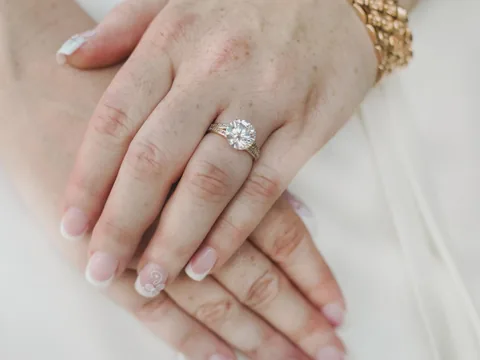
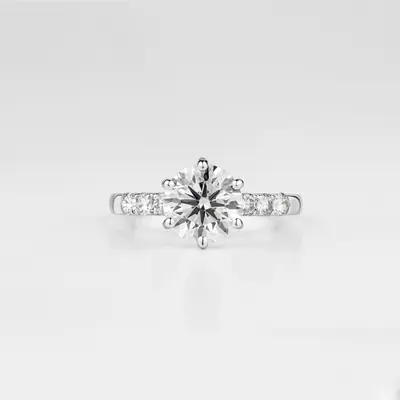
Every few weeks, hold your ring next to your ear and tap it gently with a fingernail. A rattle can mean a loose stone. Also run a fingertip over the prongs. If one catches on fabric or feels sharp, it may have lifted. Pointed shapes such as pear and marquise deserve extra attention at the tips.
Pave and halo pieces
Small stones are held by tiny beads of metal. Look at them under good light from time to time. A missing stone is much easier to replace when the rest are still secure.
Tennis bracelets
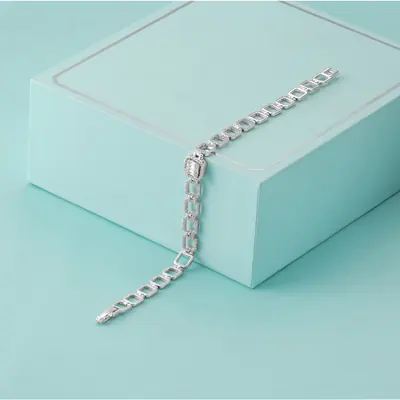
A tennis bracelet has dozens of links. Check that the clasp closes with a firm click and that the safety catch, if there is one, engages every time. Lay the bracelet flat and look for any link that sits at an angle.
Earrings
Earring backs wear out and loosen. Push them on firmly and check them now and then. Screw backs and locking backs are more secure for larger stud earrings.
Chains
Thin chains knot easily. Fasten the clasp before you put a necklace away, and never pull a knot tight. Work it loose with two pins on a flat surface.
Storing your jewelry
Diamonds scratch other diamonds, and they scratch gold. Store each piece on its own:
- Use a lined box with separate compartments, or individual soft pouches.
- Hang or lay necklaces flat so chains do not tangle.
- Keep pieces dry. A small silica packet in a jewelry box helps in humid weather.
- When traveling, use a small travel case with slots for rings and posts for studs.
Metal care: gold and platinum
White gold
White gold is usually plated with rhodium for a bright white finish. Over time the plating wears, most at the bottom of the band, and a warmer tone shows through. That is normal. Replating restores the look. How often depends on how you wear it.
Yellow and rose gold
These colors run all the way through the metal, so there is no plating to wear. Fine scratches build up and can be polished out.
Platinum
Platinum does not lose metal when scratched. It moves it, which slowly builds a soft satin look called patina. Some people love it. A polish brings back the high shine.
Professional checks
For pieces worn daily, a professional look once or twice a year is sensible. A jeweler can check every prong under magnification, clean the settings more deeply and spot wear before it becomes a lost stone. If you bought your piece from us, ask us about cleaning and checks when you are next nearby.
Also keep a copy of your grading report and a few clear photos of each piece, along with any receipts. They help with insurance and with matching your stone to its laser inscription if it ever needs to be identified. Our guide to IGI and GIA reports explains the inscription.
Questions about a piece you own
If something looks wrong, such as a loose stone, a bent prong or a sticky clasp, stop wearing the piece and get it looked at. You can book a visit at 30 West 47th St, Suite 805, or call us on (732) 581-7932. If you are still choosing, our guide to choosing a lab diamond in person is a good next read.